What's up in
Tech Space
Space technology, advanced computing, microsatellites, robotics, semiconductor systems, and the hardware shaping next-generation space infrastructure.
Tech Space
When NASA's Perseverance rover touched down in Jezero Crater in February 2021, it carried 10,932,295 names from members of the public, stencilled by electron beam onto three fingernail-sized silicon chips in features thinner than a human hair
Bolted to the aft crossbeam of NASA's Perseverance rover are three fingernail-sized silicon chips carrying 10,932,295 names, etched by an electron beam in features finer than a human hair — a phone book of Earthlings, now sitting in Jezero Crater.
The Roman Space Telescope is designed to pair a wide field of view with infrared vision sharp enough that its surveys can pick up outer solar system objects, exploding stars and growing black holes while mapping galaxies by the billions
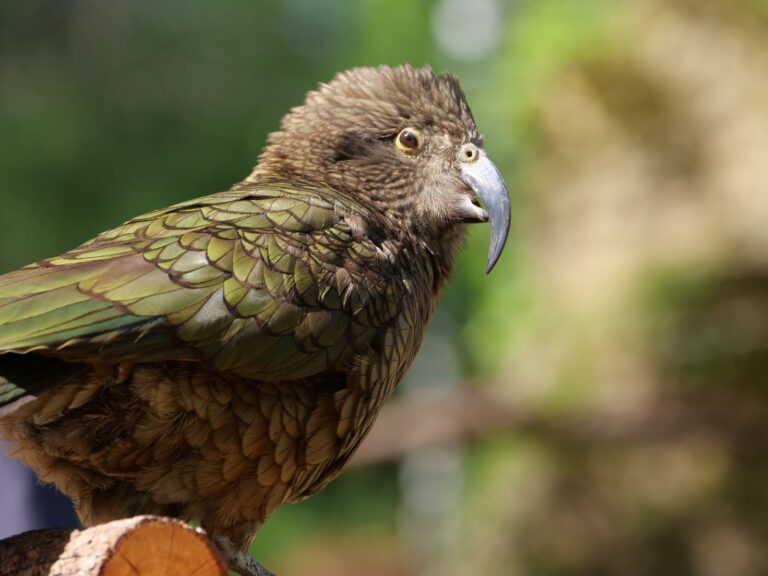
Why does removing rats and stoats from a scatter of small offshore islands bring back flightless parrots and ground-nesting seabirds that had not bred on the mainland for over a century?
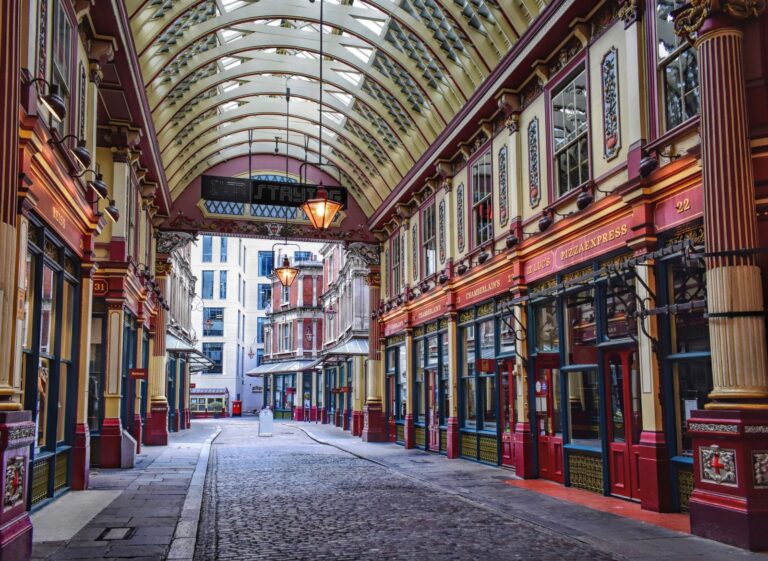
How did a London physician stop a cholera outbreak that killed more than 500 people in ten days by mapping deaths on a Soho street grid and removing the handle from a single water pump in 1854?
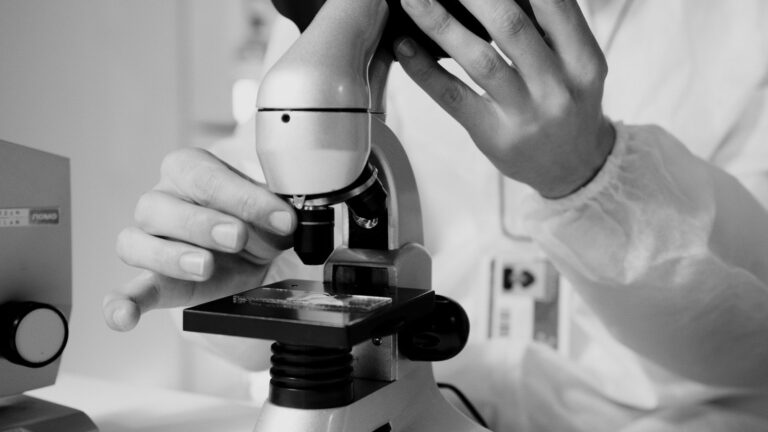
In 1869, a Swiss physician named Friedrich Miescher isolated a strange phosphorus-rich substance from the pus-soaked bandages of wounded soldiers at a Tübingen clinic, called it 'nuclein', and unknowingly became the first person to hold purified DNA in his hands, 84 years before Watson and Crick built their model

Astronauts returning from six-month ISS missions come home measurably taller, gaining up to 5 centimetres as spinal discs decompress in microgravity, and the extra height disappears within days once gravity crushes the vertebrae back into place
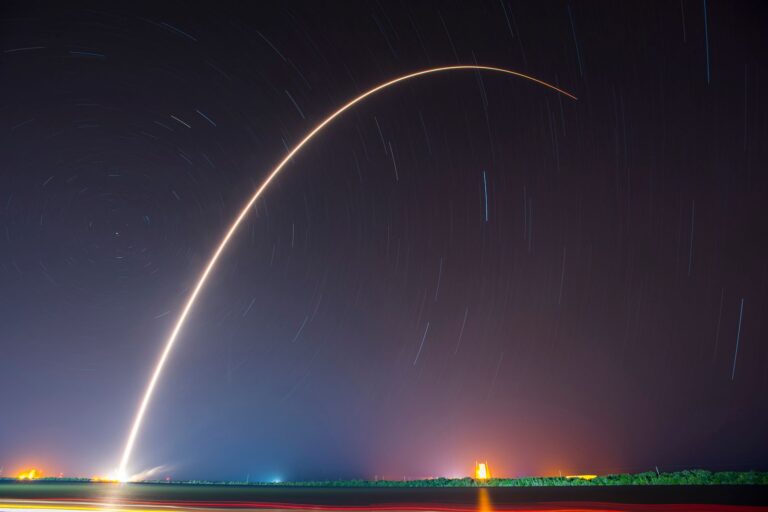
In 1962, NASA’s Mariner 1 Venus probe was destroyed just 294 seconds after launch when an Atlas guidance antenna fault exposed a missing overbar in the rocket’s ground-guidance program
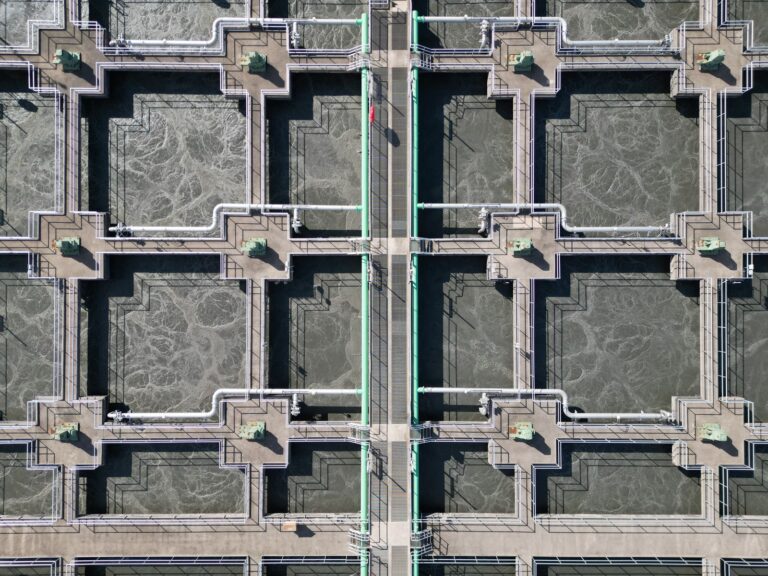
How does a city-state of 6.1 million people with almost no natural freshwater meet up to 40 percent of its water demand with water that once went down the drain?
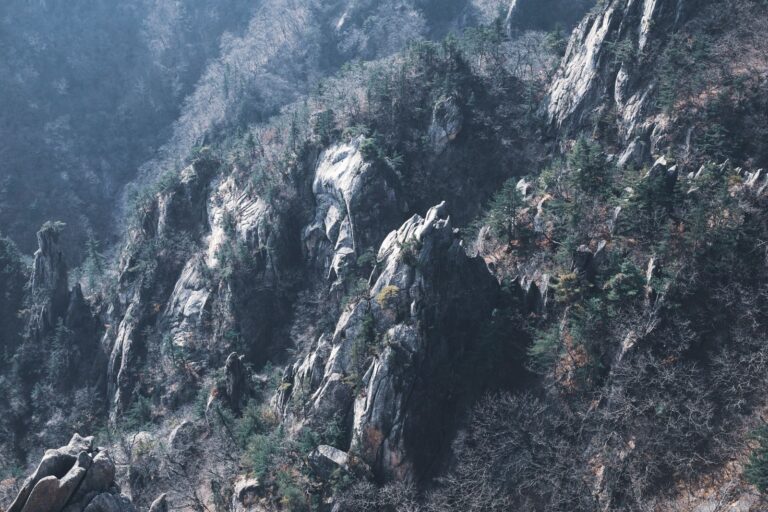
How did a country whose forests held just 6 cubic metres of standing wood per hectare after colonial logging and war rebuild them to more than 160 within a single lifetime?

In 1859, a solar storm now called the Carrington Event induced currents so strong in North American telegraph lines that operators disconnected their batteries and kept sending messages on the geomagnetic current alone, while auroras were reported as far south as Cuba
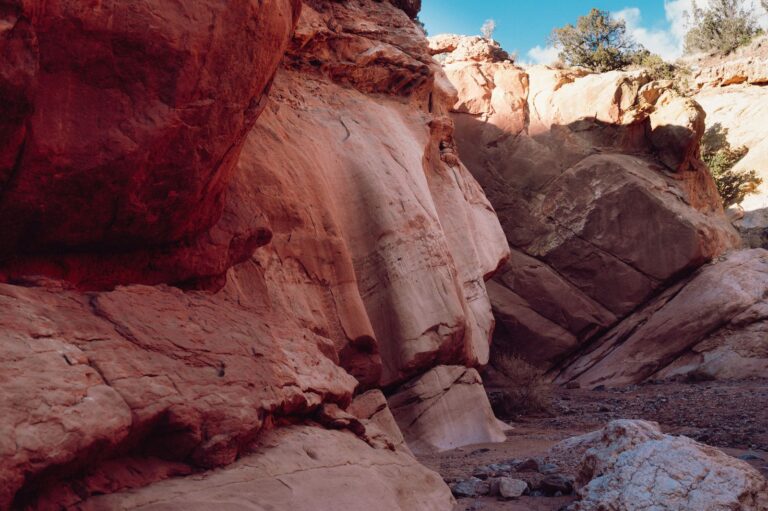
How did a conifer thought extinct for two million years turn up alive in 1994 within 200 kilometres of a city of 3.7 million people?