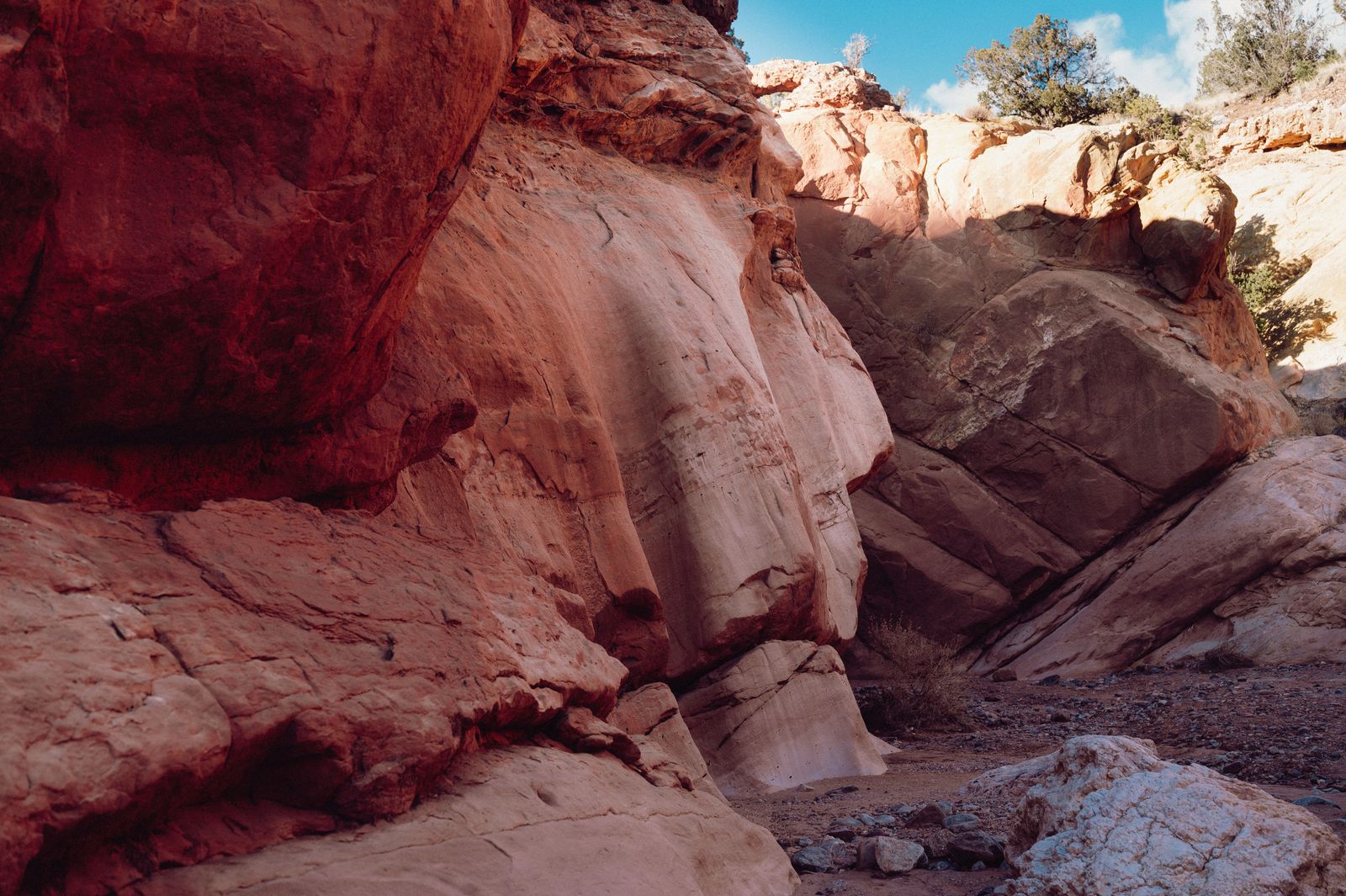
The answer is the Wollemi pine, Wollemia nobilis, a critically endangered Australian conifer found by New South Wales National Parks officer David Noble in 1994. A tiny population had survived inside a sheltered sandstone gorge in Wollemi National Park, where the trees could reproduce through seeds and by sending up new trunks from their bases. The first known stand contained 19 mature trees, while the latest national recovery plan records 45 mature plants and 46 juveniles across four wild stands.
The tree was not presumed extinct for 90 million years. Comparable fossils extend back roughly that far, but living members of the lineage were thought to have disappeared about two million years ago, a distinction made by the Royal Botanic Gardens, Kew. The gorge lay within 200 kilometres northwest of Sydney, according to the original scientific description, while Sydney had approximately 3.7 million residents in 1994, according to the Australian Bureau of Statistics.
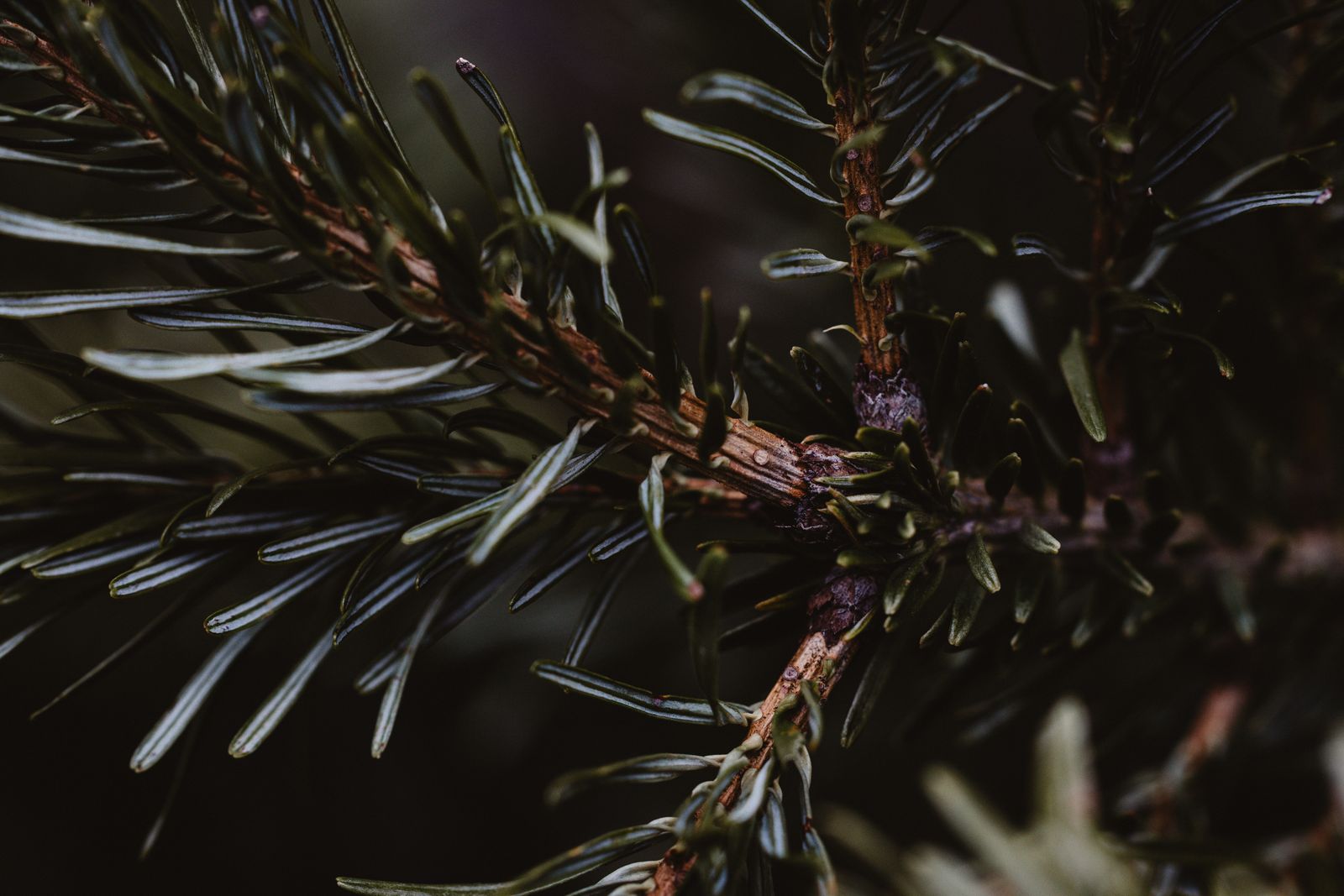
The tree Noble encountered looked unlike the surrounding vegetation. Its bark was covered in dark, rounded nodules often compared with bubbling chocolate, while its flattened leaves formed unusually regular rows along the branches. Mature specimens could rise more than 30 metres from a fern-filled rainforest floor enclosed by sandstone cliffs.
The twig that did not fit
Noble was canyoning while off duty when he noticed the unfamiliar trees. He collected fallen material and later returned with colleagues so that a better specimen could be examined. The first botanists who saw it understood that it belonged among the araucarian conifers, but it did not fit comfortably inside any known living genus.
In December 1995, Wyn Jones, Kenneth Hill and Jan Allen formally described it as both a new species and a new genus. They named the genus Wollemia after the national park and the species nobilis partly in recognition of Noble. Their paper described roughly 20 mature trees and a similar number of juveniles at the original site, while deliberately withholding the precise locality.
The identification was more complicated than matching Noble’s twig with one perfect fossil. Fossil leaves and pollen from ancient araucarian plants showed similarities to the living tree, but some of those fossil forms may also be connected with other members of the family. The evidence placed the discovery inside a very old botanical lineage without proving that every similar fossil came from Wollemia nobilis itself.
Araucariaceae once had a much wider global distribution, and its fossil history reaches deep into the age of dinosaurs. Today its living members include the monkey puzzle tree, kauri and Norfolk Island pine. The Wollemi pine became extraordinary not because it had remained unchanged for 90 million years, but because the sole living species in its genus had escaped modern scientific recognition until the closing years of the twentieth century.
Why the gorge mattered
The original stand occupied a deep, sheltered gorge surrounded by high sandstone cliffs. A permanent creek, moist soils and rainforest vegetation created conditions very different from the exposed eucalyptus country above. The terrain also made the site difficult to see from the plateau or distinguish from the many other narrow gorges cutting through Wollemi National Park.
Researchers believe long-term climatic drying contributed to the disappearance of the tree from most of its former range. The surviving stands persisted in small pockets where topography retained moisture and offered some protection from extreme heat. The gorge was therefore a refuge, although not an invulnerable one.
Wollemi pines can produce new stems from their bases, leaving one plant with numerous trunks of different ages. Some individuals have carried dozens of stems, which makes counting genetically separate trees harder than counting trunks. That growth pattern should not be confused with the shared root system of Pando, the enormous aspen colony in Utah.
Early genetic studies found so little detectable variation that the wild population was frequently described as clonal. More recent work, including a large-genome sequencing project, supports the picture of exceptionally low diversity but does not show that every tree is literally one genetic individual. The national recovery plan reports low-level variation both within and between stands.
The wild count also changed as researchers investigated the surrounding gorges. As of June 2024, officials recognised 45 mature individuals and 46 juveniles distributed across four stands within one restricted population. Those numbers place the species among the rarest trees on Earth, even though cultivated Wollemi pines now grow far beyond Australia.
A secret site and a public tree
Australian authorities have never publicly released the exact location of the wild population. Entering the restricted area without authorisation is illegal, and approved visitors must follow strict hygiene procedures. Secrecy is intended to prevent trampling, illegal collection and the introduction of organisms that the isolated trees have little ability to withstand.
Those fears became real in 2005, when the root-rotting pathogen Phytophthora cinnamomi was detected in one wild stand. Investigators believed it had probably arrived on contaminated footwear or equipment carried by unauthorised visitors. Managers responded with chemical treatment, hygiene controls and continued monitoring, but the pathogen cannot simply be removed from the landscape.
Conservationists also pursued a strategy that appeared to contradict the secrecy surrounding the gorge: they made the tree commercially available. A public propagation programme launched in 2005 was designed to discourage illegal collecting, build worldwide awareness and establish thousands of backup trees outside the wild population. Although conservation royalties formed part of the original arrangement, the commercial partnership ended in 2010, and the 2025 recovery plan says those royalties no longer contribute to the programme.
Private gardeners nevertheless became part of the species’ insurance system. A 2020 survey described by researchers in The Conversation received responses from people growing the trees in 27 countries. Botanical gardens and research collections have also learned how the species responds to climates far outside its hidden Australian gorge.
Australia maintains seed collections, cultivated specimens and experimental populations away from the natural stands. The official conservation project includes a seed bank and living collection at the Australian Botanic Garden Mount Annan. These collections cannot replace the wild ecosystem, but they reduce the chance that one local disaster will erase the species completely.
The fire that entered the catchment
The most dramatic test came during Australia’s 2019–2020 bushfire season. The lightning-started Gospers Mountain fire burned through more than 512,000 hectares across several regions of New South Wales, according to the NSW Rural Fire Service. Its footprint eventually approached the catchment containing the wild Wollemi stands.
Fire crews conducted a secret protection operation before the worst conditions arrived. Retardant was dropped around parts of the surrounding catchment, irrigation equipment was installed near vulnerable trees, and remote-area firefighters worked inside the landscape. NSW National Parks later published an official account of the operation.
Most adult trees survived, but the outcome was not the untouched victory sometimes presented in retellings. Some plants suffered partial canopy loss, others were top-killed, and the damage fell particularly heavily on juveniles. The recovery plan estimates that the fire eliminated between 92 and 95 per cent of the existing seedling bank in affected areas.
The operation saved the core of the population without removing the underlying danger. Future fires may arrive under stronger winds, after longer droughts or before protective equipment can be installed. Managers therefore continue monitoring the natural stands while developing translocated populations that are separated from the original gorge.
What 90 million years really means
The figure of 90 million years belongs to the fossil history surrounding the lineage, not to the amount of time botanists believed the living tree had been absent. Wollemi-like fossil pollen is known from Late Cretaceous deposits, and related foliage has been found in younger sediments. The most recent fossil evidence associated with the lineage is approximately two million years old.
Calling the Wollemi pine a living fossil is useful shorthand, but it can also suggest that evolution stopped inside the canyon. The surviving trees are modern organisms with their own mutations, pathogens and reproductive problems. They carry an ancient inheritance, but they have continued responding to environmental change like every other living species.
The Wollemi story therefore differs from landscapes that disappeared and were later partly restored. SpaceMart’s reports on the partial return of the North Aral Sea and the immense carbon stores of mangrove forests describe ecosystems shaped by intervention and recovery. The Wollemi population survived because one small piece of its habitat endured without first disappearing.
Wollemi National Park begins only a few hours northwest of Sydney, but the wild trees remain outside public reach. In their narrow gorge, mature trunks still send up younger stems beside a permanent creek, while cones form at the ends of branches above the rainforest floor. The forest itself is not 90 million years old, yet the lineage it shelters has reached the present with only 45 known mature trees left to carry it forward.