Singapore, a city-state of roughly 6.1 million people, has enough NEWater production capacity to meet about 40 percent of its present water demand. NEWater is high-grade reclaimed water made by taking treated used water through membrane filtration, reverse osmosis, and ultraviolet disinfection.
That figure does not mean 40 percent of every household glass comes directly from a sewer. Most NEWater is supplied to industries and cooling systems, while a smaller portion is added to reservoirs during dry periods and treated again before it reaches domestic taps.
The vulnerability Singapore inherited
At independence in 1965, Singapore had three reservoirs and a rainwater catchment covering only about 10 percent of its land. The island received abundant tropical rain, but it lacked the large rivers, natural lakes, springs, and extensive groundwater reserves that supply many other countries.
The government responded by turning the city itself into part of the water system. According to PUB’s account of Singapore’s water development, the country now has 17 reservoirs and catches rain falling across more than two-thirds of its land.
Roadside drains, canals, rivers, and concrete channels do more than prevent streets from flooding. Across much of the island, they direct stormwater toward reservoirs, where it can be stored, treated, and returned to the distribution network.
Imported water supplied the other essential foundation. Under the 1962 Water Agreement with Malaysia, Singapore may draw up to 250 million gallons a day from the Johor River and must provide Johor with treated water equal to as much as 2 percent of the amount imported.
That agreement expires in 2061, but Singapore has not described its future as a simple countdown to the closing of a pipe. Instead, it has spent decades building four sources known as the National Taps: local catchment, imported water, NEWater, and desalinated seawater.
Singapore currently uses about 440 million gallons of water each day. Local catchment and imported water remain exposed to rainfall and drought, while NEWater and desalination can operate regardless of whether the monsoon arrives on schedule.
How used water becomes NEWater
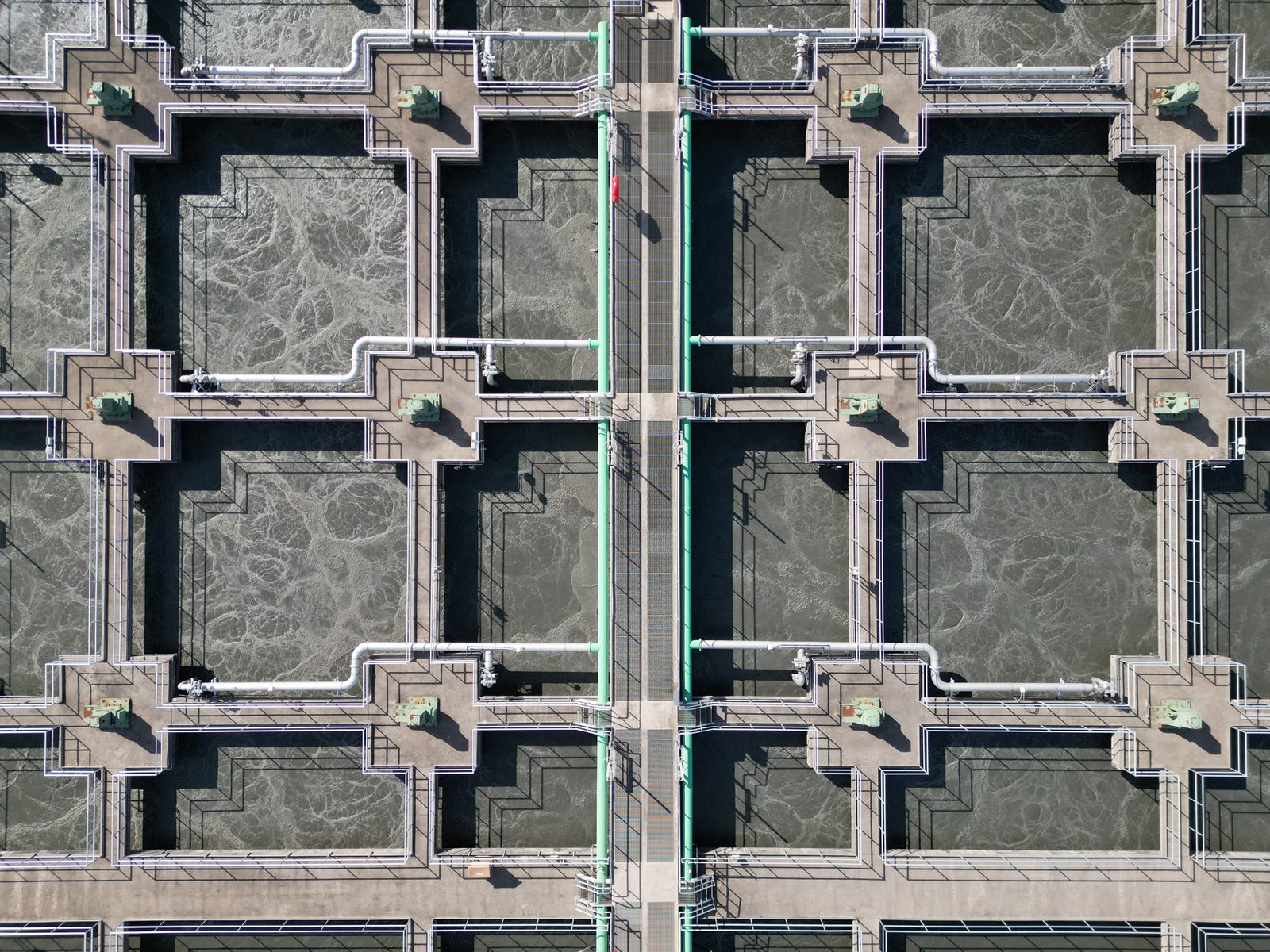
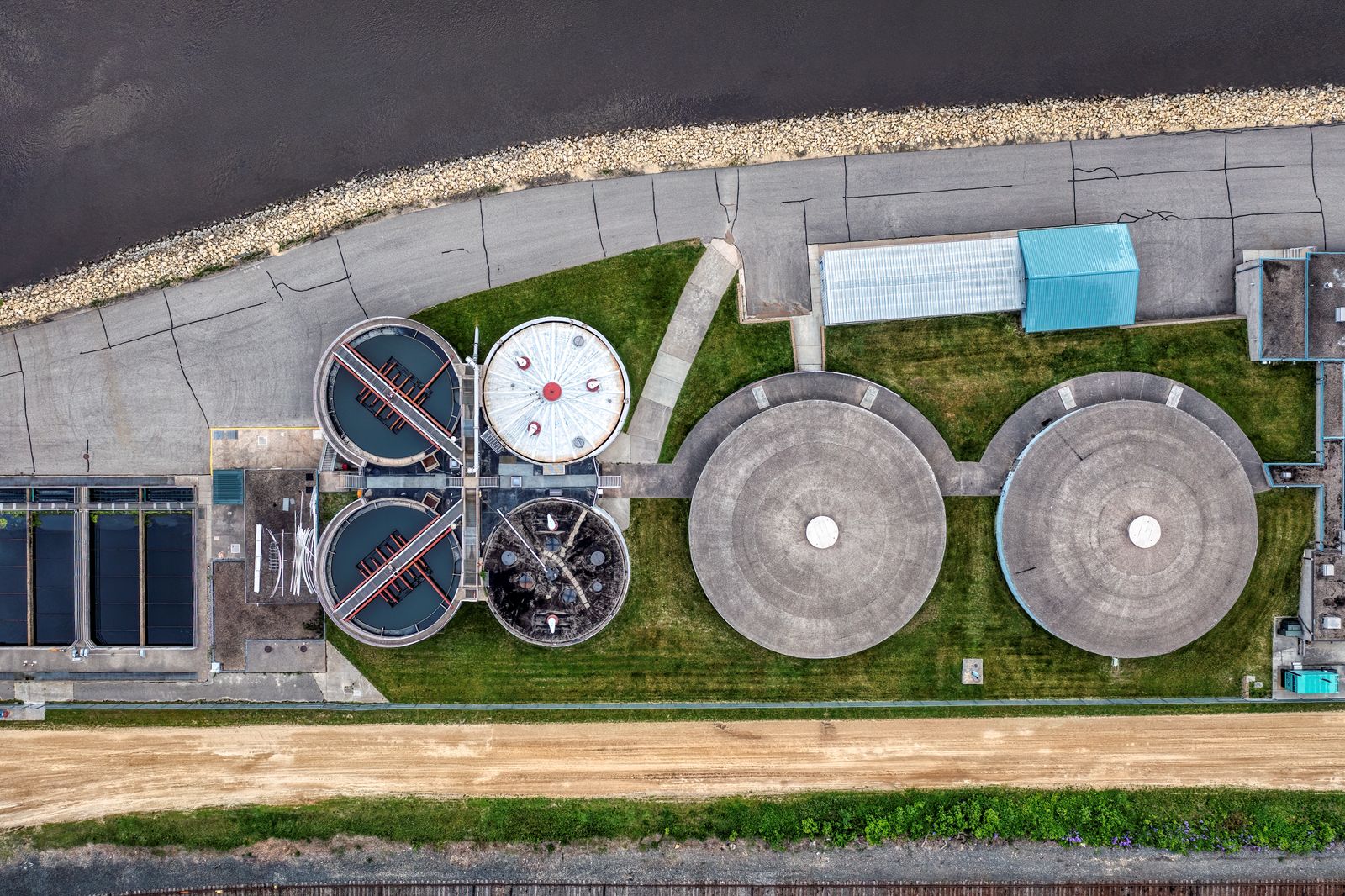
The journey begins beneath streets, homes, factories, restaurants, and office towers. Used water enters a separate sewer network and moves toward large water reclamation plants, where conventional treatment removes debris, suspended solids, and much of the organic material.
An increasing portion travels through the Deep Tunnel Sewerage System, a 206-kilometre network designed to carry used water largely by gravity to centralised plants at Changi, Kranji, and Tuas. The system is designed to last for 100 years, costs around S$10 billion, and is being completed in stages.
The treated water leaving a reclamation plant is already clean enough for controlled discharge into the environment. Water selected for NEWater production, however, enters another purification train built around three barriers.
The classic first stage is microfiltration, in which water passes through bundles of hollow fibres. These membranes hold back suspended particles, protozoa, and most bacteria while allowing water and smaller dissolved substances to continue.
Next comes reverse osmosis, the decisive barrier in the NEWater production process. High pressure pushes water molecules through a semi-permeable membrane while dissolved salts, heavy metals, many organic compounds, viruses, and other contaminants are rejected.
The final barrier is ultraviolet disinfection. Intense ultraviolet light inactivates any remaining bacteria and viruses, adding another safeguard after reverse osmosis has already produced exceptionally pure water.
The product is monitored rather than simply assumed to be safe. PUB says NEWater exceeds World Health Organization drinking-water guidelines and United States Environmental Protection Agency standards, with roughly 300 physical, chemical, and microbiological parameters covered by its monitoring programme.
Not all treated used water becomes NEWater. Production depends on available factory capacity and demand, while treated water that is not reclaimed is discharged under environmental controls.
Where the 40 percent actually goes
The often-repeated 40 percent figure describes how much of Singapore’s demand existing NEWater capacity can cover. It should not be read as a fixed daily share of the household drinking supply.
Most NEWater travels through dedicated pipes to non-domestic customers. Wafer fabrication plants, industrial estates, pharmaceutical manufacturers, petrochemical operations, and commercial cooling systems value it because their processes require water with very low concentrations of minerals and contaminants.
Semiconductor production is especially demanding because silicon wafers must be rinsed repeatedly without leaving microscopic residues. That demand will remain significant as companies continue expanding Singapore’s chipmaking base, including the new Micron fabrication complex linked to rising AI hardware demand.
Using reclaimed water for these customers also preserves treated drinking water for homes and businesses that do not need such purity. It turns industrial demand from a threat to the potable supply into one of the strongest economic reasons to keep expanding the recycling system.
Data centres add another layer to the calculation because cooling method, climate, server density, and operating efficiency determine their water requirements. The broader industry’s growing water footprint has already become an infrastructure concern, as explored in SpaceMart’s report on the power and water demands of expanding AI data centres.
During dry periods, PUB can send a smaller amount of NEWater into surface reservoirs. There it mixes with raw catchment water before passing through a conventional waterworks and entering the potable distribution system.
This is known as indirect potable reuse because the reclaimed water passes through an environmental buffer rather than travelling straight from a NEWater factory to a household tap. By the time it reaches a kitchen, it has crossed the advanced purification barriers, mixed in a reservoir, and undergone drinking-water treatment again.
Why Singapore could close the loop
The purification technology is not unique to Singapore. The Groundwater Replenishment System in Orange County, California, for example, uses microfiltration, reverse osmosis, and ultraviolet treatment to produce 130 million gallons a day for groundwater recharge.
What distinguishes Singapore is the way the physical infrastructure and public institutions fit together. In 2001, PUB was reconstituted as the national water authority overseeing the entire water loop, with sewerage and drainage functions transferred into the same organisation responsible for water supply.
That integration means the agency collecting rain can also manage drains, sewers, reclamation plants, purification factories, reservoirs, and distribution. Used water is therefore not the unwanted output of one utility that another utility must be persuaded to accept.
Singapore’s compact geography also helps. A dedicated industrial NEWater network can connect dense clusters of wafer fabs, industrial estates, commercial buildings, and cooling systems without crossing the distances required in a larger country.
The membranes remain the heart of the process, but they are also the part engineers continue trying to improve. Research into faster, more selective filtration materials, including the protein-based membrane systems previously covered by SpaceMart, points toward purification systems that could use less energy while processing more water.
What happens as 2061 approaches
Singapore expects total water demand to rise sharply as its economy expands. PUB projects that consumption could nearly double by 2065, with factories, commercial buildings, data centres, and other non-domestic customers accounting for most of the increase.
That is why new capacity is being built before the Johor agreement expires. The planned Tuas NEWater Factory is expected to produce 75 million gallons a day, while reclamation and purification capacity is also being consolidated around the country’s centralised treatment plants.
Desalination provides another source that does not depend on rainfall, but forcing freshwater from seawater requires substantial energy. NEWater begins with treated freshwater containing far less salt, which makes recycling especially valuable in a country trying to strengthen supply without allowing energy use to grow at the same pace.
On a dry morning in 2061, the rain falling across Singapore will still move through canals toward reservoirs, and seawater will still press against reverse-osmosis membranes along the coast. Beneath the streets, water from showers, sinks, factories, and cooling systems will also be moving back toward the treatment plants, beginning another turn through a loop that once ended at the sea.