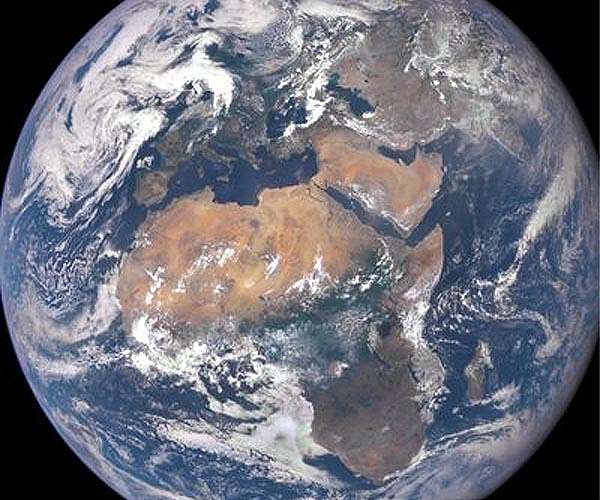
African space programs have grown to play a significant role in the global aerospace sector. Today, more than 21 countries across the continent have their own space programs. Only one of these nations has yet to launch a satellite, while the rest have successfully sent at least one into space. Across Africa, countries have launched a total of 65 satellites so far, including small CubeSats.
African governments are putting more money into space technology hitting new levels of investment. Each year, the continent spends around $500 million on space activities. In the next few years, experts predict this amount will grow from $1.7 billion to $2.6 billion.
Strategic partnerships continue to push Africa ahead. These accomplishments represent a key advancement to strengthen Africa's role in the competitive global space race.
African Space Programs Secure Substantial Funding
African space funding approaches show significant changes based on recent investment figures. African governments set aside $426.31 million for just space-related activities in 2025. This amount includes statutory allocations for national space programs and contributions to the 2-year old African Space Agency. Nonetheless, the figure shows a 7.73% drop from $462.01 million in 2024.
Multiple factors explain this funding decline, and Nigeria's case illustrates this perfectly. The country faces economic challenges, and national priorities have changed. Moreover, the approved 2025 space budget of NGN 94.30 billion ($61.30 million) turned this into a decrease when measured in dollars.
African nations now look beyond traditional yearly budgeting models. Their regular space agency budgets might seem modest, but substantial additional funds go to major infrastructure projects outside annual funding cycles.
South Africa leads the continent's space investment. The country continues to increase government funding for Earth observation, space operations, space science, and astronomy research and development. These investments support vital projects like the Space Weather Center, Square Kilometer Array, and MeerKAT.
Governments Prioritize Space For Development And Security
Africa's new space investments approach to practical use shows how governments have changed their view of space technology investments. Just like in many other sectors, for example, in online entertainment like a top online casino, security applications have become the main tool of African space strategies. Countries now use satellites to monitor borders, watch maritime activities, and protect resources from theft.
Illegal fishing costs African waters $2.3 billion yearly, but satellites help prevent these losses by tracking vessels live. South Africa's National Space Agency bought weekly satellite imagery in April 2025 to protect its exclusive economic zone. Tunisia's Ministry of Agriculture has also used a satellite monitoring system since 2021 that tracks vessels longer than 15 meters.
Domestic political priorities drive these policy decisions and explain the political and national pride in each country's space program. African governments know that space technologies provide practical solutions to urgent challenges from climate monitoring to resource management. These solutions reshape development paths throughout the continent.
AfSA Coordinates A Unified Continental Space Strategy
On April 20, 2025, the African Space Agency (AfSA) achieved an important milestone. This was the result of almost ten years of work across the continent to unite space projects from all 55 African nations. AfSA is based in Egypt, the first African country to launch its own satellite back in 1998. Nevertheless, the agency's responsibilities go beyond coordination. It works to eliminate duplication and inefficiencies in the African space ecosystem.
The African Space Policy states that AfSA wants to "secure wavelength spectrums, orbital locations, and other assets and rights for current and future continental space activities". The agency helps implement the African Space Policy and Strategy by making use of current infrastructure to reduce the capital-intensive barriers in space technology.
Africa has reached a defining moment in its space experience. The continent has evolved from a minor player into an important contributor in the race of exploring our space.