
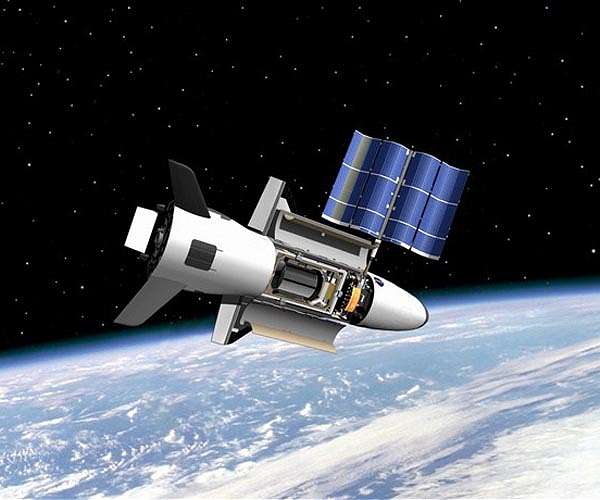
The Space Systems Command (SSC) and SpaceX have successfully launched the USSF-52 mission for the U.S. Space Force, using the SpaceX Falcon Heavy rocket from Launch Complex (LC)-39A at NASA's Kennedy Space Center in Florida. The launch, which occurred at 8:07 p.m. Eastern Time on Thursday, carried the seventh mission of the X-37B Orbital Test Vehicle, showcasing the U.S.'s ability to deploy advanced, reusable space technologies.
Brig. Gen. Kristin Panzenhagen, program executive officer for Assured Access to Space, commented on the launch's importance and the teamwork involved, stating, "This was a very important mission and our teams worked shoulder-to-shoulder to ensure a successful launch." She added, "Our national security space missions are the most stressing within our launch portfolio, and we have multiple world-class organizations that come together to make the magic happen."
The mission also highlighted the benefits of booster recovery and reuse, a practice that has become a focal point in modern space missions. Dr. Walt Lauderdale, SSC's chief of Falcon Systems and Operations, emphasized the critical role of detailed planning and partnerships in mission success. "Missions like these require highly detailed analyses and reviews to meet challenging requirements that are addressed through our mission assurance process," said Dr. Lauderdale. He also noted the significance of collaborative relationships in making complex missions appear routine, ultimately resulting in significant capabilities being deployed into orbit.
This particular mission utilized flight-proven side boosters, which had previously flown on the USSF-44 and USSF-67 missions. This practice underscores the advancements in reusable rocket technology, a critical factor in making space access more cost-effective and environmentally sustainable.
The use of reusable technology aligns with the NSSL Phase 2 contract's objectives, which has been instrumental in introducing commercial-like pricing for launches. The contract, awarded in August 2020, incorporated booster reuse from the onset, signaling a significant shift towards more economically efficient space missions.
Space Systems Command, as the field command of the U.S. Space Force, is at the forefront of these developments. Managing an extensive space acquisition budget, SSC collaborates with various entities, including joint forces, industry, government agencies, and allied organizations, to enhance the U.S.'s strategic space capabilities.
In summary, the successful launch of the USSF-52 mission represents a key accomplishment for the partnership between SSC and SpaceX, reflecting the ongoing evolution in space launch technology and the concerted effort to maintain the United States' strategic presence in space.
