
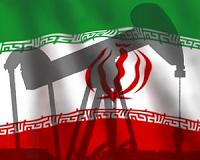
Revenue generated from oil sales from Iran have declined dramatically, but the country needs to learn to cope, an Iranian government spokesman said.
Government spokesman Mohammad-Baqer Nobakht said revenue generated from oil sales has dropped about 80 percent from peak levels to around $24 billion. Sanctions and low oil prices have taken a toll on the Iranian economy.
"The country's petrodollars have declined, but we will run the country even with this revenue," the spokesman said.
The International Monetary Fund in February said inflation in Iran has declined and general macroeconomic conditions have improved since last year.
"However, the sharp drop in global oil prices and an uncertain external environment will bring significant challenges to the outlook," Martin Cerisola, assistant IMF director for the region, said.
Sanctions on Iranian oil exports and other parts of the economy resulted in an economic contraction of 5.8 percent in 2012-13. For fiscal year 2013-14, the World Bank estimates the Iranian economy contracted at an annual rate of 1.7 percent.
Iran's economy emerged from recession in late 2014, though sanctions still curb the country's ability to generate revenue from oil and gas sales.
Under the terms of a joint deal reached in November 2013, oil exports are limited to around 1 million barrels per day and to just six countries: China, India, Japan, South Korea, Taiwan and Turkey. Iran before sanctions were imposed in 2013 was exporting around 2.7 million bpd.
Sanctions may be revised if there's a breakthrough in multilateral negotiations aimed at resolving concerns over Iran's nuclear research program. Negotiators face an end-of-June deadline.
The government spokesman said sanctions have eaten away at oil revenue, though overall economic growth was improving.
